 Early Times Report Early Times Report
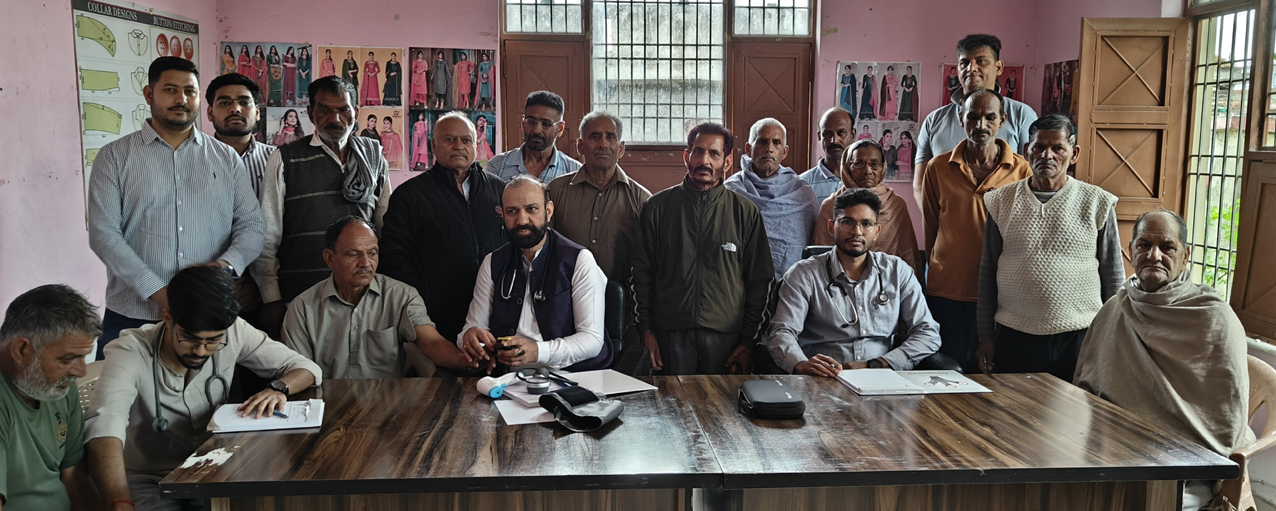
JAMMU, Mar 15: In view of great disparity in cardiac health and ailments in rural and urban areas Head Department of cardiology GMCH Jammu Dr Sushil Sharma held a day long cardiac awareness cum health check up camp at Panchayat Ghar Budwal Block Khour Jammu. The Camp aimed to raise awareness about cardiovascular diseases , provide essential screenings, and empower rural residents with knowledge and resources to manage their cardiovascular health.
While interacting with the people Dr Sushil stated that across the world, rural communities continue to face profound health challenges that often remain hidden behind geographic isolation and limited infrastructure. While cities benefit from advanced medical facilities, specialized healthcare professionals, and abundant resources, rural populations frequently struggle with restricted access to essential health services. These disparities contribute to preventable illnesses, delayed diagnoses, and poorer health outcomes. The issue of rural health inequity is not merely a medical concern but a complex social and economic challenge that demands coordinated and innovative solution.
He elaborated that rural populations often encounter significant barriers in accessing healthcare. Long travel distances to hospitals and clinics create delays in receiving timely medical care. Many rural areas lack adequate numbers of healthcare professionals such as physicians, nurses, and specialists, leading to overburdened facilities and limited appointment availability. In addition, healthcare infrastructure including diagnostic services, emergency care, and mental health resources is frequently underdeveloped in rural regions. These limitations make it difficult for residents to receive preventive care, routine checkups, and early treatment for chronic diseases. Socioeconomic factors further intensify these disparities. Rural communities generally experience lower average incomes, higher unemployment rates, and reduced health insurance coverage. These financial constraints discourage individuals from seeking medical attention until conditions become severe. Furthermore, limited educational opportunities may affect health literacy, making it harder for people to understand disease prevention, treatment adherence, and lifestyle modifications necessary for long-term well being.
He maintained that another critical contributor to rural health disparities is the scarcity of resources that promote healthy living. Many rural areas lack recreational facilities, safe walking paths, or community centers that encourage physical activity. Addressing these persistent disparities requires innovative and community-centered solutions. Telemedicine has emerged as a powerful tool in bridging geographic barriers by connecting rural patients with specialists located in urban centers. Through digital platforms, individuals can receive consultations, follow-up care, and even mental health counseling without traveling long distances. Expansion of tele health services, supported by reliable internet connectivity, can dramatically improve healthcare accessibility in remote regions. Strengthening the rural healthcare workforce is another essential strategy. Incentive programs that encourage healthcare professionals to practice in rural areas such as loan repayment programs, rural residency training, and financial subsidies can help reduce the shortage of providers. Community health workers and nurse practitioners also play an important role by delivering primary care, health education, and preventive services directly within rural communities.
He added that infrastructure development must also be prioritized. Investments in rural hospitals, transportation systems, and digital connectivity will not only enhance healthcare delivery but also strengthen economic stability. When rural communities receive adequate support and resources, they become better equipped to address both current health challenges and future public health emergencies. Ultimately, reducing rural health disparities requires a holistic and sustained commitment from policymakers, healthcare professionals, and community leaders, He Said
Dr Sushil Sharma in his concluding remarks told that rural health disparities represent one of the most pressing and enduring challenges in public health. Geographic isolation, limited healthcare infrastructure, socioeconomic disadvantages, and restricted access to health resources collectively contribute to poorer health outcomes in rural populations. However, these challenges are not insurmountable.
Tarsem Lal, Harbans Singh, Rattan Singh, Karnail Singh, Sat Pal and esteemed community members, lauded Dr. Sushil Sharma's team for organizing the health camp in the remote area. They praised the initiative for delivering healthcare services and CVD awareness to local residents, expressing gratitude for bridging the healthcare gap. Their efforts have empowered the community with vital health knowledge and services
Others who were part of this camp include Dr Bhola Kumar and Dr Adarsh Sharma. Paramedics and volunteers includes Rajkumar , Ranjeet Singh , Mohd Altaf , Gourav Sharma , Vikas Kumar , Rajinder Singh , Manoj Sharma, Anmol Singh , Dimple Bhagat , Khushbinder Sandhu ,Paramveer Singh, Gokul Sharma , Shubham Sharma , Rohit Nayar , Irfan Hassan , and Nirvair Singh Bali. |
