 Early Times Report Early Times Report
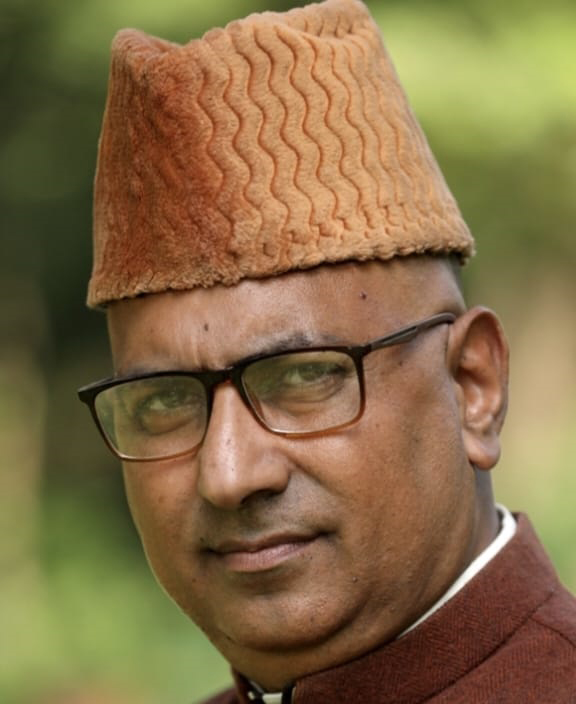
NEW DELHI, Aug 7: Rajya Sabha Member of Parliament Ghulam Ali Khatana raised an important issue concerning the utilisation of funds under the Samagra Shiksha scheme in the Union Territory of Jammu & Kashmir through Unstarred Question No. 1941, which was answered in the Rajya Sabha on 5 August 2026.
Seeking greater transparency and accountability in the implementation of the scheme, Khatana sought detailed information regarding district-wise funds sanctioned, released and utilised during the last three years. He also requested details of approved works and interventions, school-wise implementation status, pending or delayed projects along with reasons for such delays, and the monitoring mechanism adopted to ensure timely execution and effective utilisation of public funds.
In its reply, the Ministry of Education informed the House that under the Centrally Sponsored Scheme of Samagra Shiksha, the Annual Work Plan and Budget is prepared by the Union Territory based on district requirements and approved by the Project Approval Board. The Ministry clarified that the distribution of funds among districts, sanction of works and interventions, and their implementation are carried out by the respective State or Union Territory Administration in accordance with approved plans and local priorities.
The Government also shared the financial details for Jammu & Kashmir under Samagra Shiksha. During 2023-24, the proposed Central share stood at Rs 1,736.49 crore, with Rs 865.43 crore released, while the total funds available amounted to Rs 1,289.50 crore, of which Rs 1,103.22 crore was utilised. In 2024-25, Rs 823.49 crore was released against a proposed Central share of Rs 1,721.60 crore, with expenditure of Rs 944.49 crore. For 2025-26, Rs 516.92 crore was released against a proposed Central share of Rs 1,435.99 crore, while Rs 1,102.64 crore was utilised out of Rs 1,102.65 crore available.
The Ministry further informed that component-wise approvals for the financial year 2026-27 amount to Rs 125006.33 lakh, covering areas such as Access & Retention, Quality Interventions, Financial Support for Teachers, Skill Education, Inclusive Education, Gender & Equity, Teacher Education, Sports & Physical Education, RTE Entitlements, Programme Management and Monitoring of the Scheme.
The reply also outlined that implementation of the scheme is monitored through periodic review meetings, appraisal by the Project Approval Board, monthly and quarterly progress reports submitted through the PRABANDH portal, field visits, UDISE+, the Online Monitoring System (OMS), internal audits, and regular reviews by the State Project Office and other designated authorities to ensure transparency, accountability and timely implementation.
Ghulam Ali Khatana reiterated that quality school education and efficient utilisation of public funds are essential for strengthening the education sector in Jammu & Kashmir. He said that effective implementation of welfare schemes, backed by transparency and accountability, is crucial to ensuring that the intended benefits reach students and educational institutions across the Union Territory. |