| Healthy Weight, Healthy Heart: Dr Sushil | | | 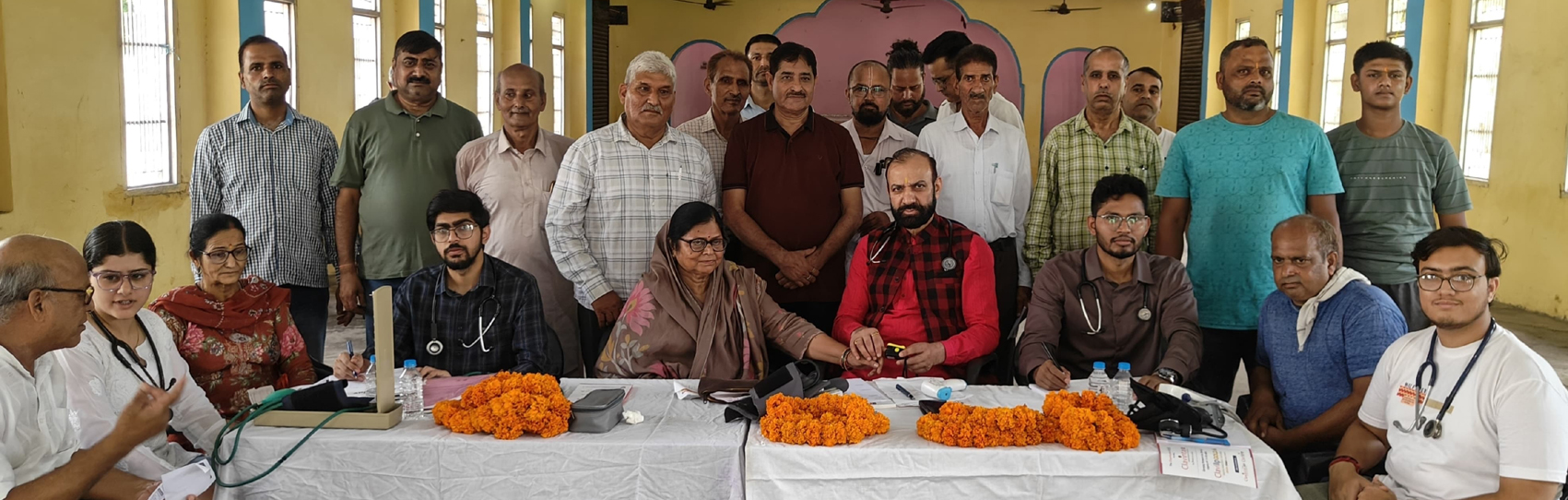 Early Times Report Early Times Report
JAMMU, Aug 23: In view of the growing burden of obesity and lifestyle-associated cardiovascular disorders, promoting preventive healthcare and healthy living has become increasingly important. In this context, Head Department of Cardiology, GMCH Jammu, Dr Sushil Sharma held a day-long Cardiac Awareness-cum-Health Camp at Shri Vishwakarma Mandir, Rani Talab, Digiana, Jammu. The programme focused on encouraging people to embrace wholesome lifestyle practices and take proactive steps towards preventing heart-related illnesses. During the camp, participants were also sensitized about balanced nutrition, regular physical activity, timely health screening, stress management, and the importance of adopting sustainable habits for lifelong cardiovascular wellness.
Speaking on the occasion, Dr Sushil Sharma observed that excessive body weight has become one of the important contributors to the rising incidence of heart disease and other non-communicable illnesses. He explained that surplus body fat, particularly around the abdominal region, can adversely affect the heart and increase susceptibility to hypertension, elevated cholesterol, diabetes, heart attacks, and stroke. The additional workload imposed on the heart can gradually affect its efficiency and overall functioning. Dr Sushil stressed that obesity should not be viewed merely as a cosmetic concern, but as a significant medical condition that can influence several organs and reduce the quality as well as duration of life. He called for greater awareness and early intervention to prevent the progression of these health complications.
Elaborating further, Dr Sushil said that indicators such as Body Mass Index (BMI) and waist measurements can help in identifying individuals who may be vulnerable to weight-related health problems. While these tools alone cannot define a person's complete health status, they provide valuable information when considered along with other medical and lifestyle factors. Particular attention should be given to central obesity, as excessive abdominal fat is strongly linked with metabolic disturbances, increased blood pressure, and cardiovascular complications. He advised people to look beyond their body weight and concentrate on improving overall fitness, stamina, dietary habits, and physical activity. Regular medical evaluation, he added, can help identify risk factors early and allow timely corrective measures.
Dr Sushil urged the community to avoid crash diets and instead adopt practical, long-term lifestyle modifications. He recommended increasing the intake of fresh fruits, green vegetables, whole grains, pulses, and other nutrient-rich foods while minimizing processed and calorie-dense foods containing excessive sugar, salt, and unhealthy fats. Regular exercise, including walking, cycling, yoga, recreational activities, and other forms of physical movement, can play an important role in maintaining a healthy weight and improving cardiovascular fitness. Adequate rest, proper hydration, stress reduction, and limiting sedentary behaviour were also highlighted as essential components of a healthy routine. During the camp, the medical team provided health assessments and appropriate counselling, enabling participants to better understand their cardiovascular status and adopt suitable preventive measures.
In Concluding remarks Dr Sushil Sharma stated that maintaining a healthy weight is among the most meaningful steps an individual can take towards protecting the heart and enhancing overall health. He emphasized that the fight against obesity and cardiac ailments requires sustained commitment from individuals and society alike. "Good health is built through everyday choices, and even modest improvements in diet and physical activity can produce lasting benefits," he said. He encouraged people to remain active, consume balanced meals, maintain a healthy environment, and undergo periodic health examinations. |
|
