news details |
|
|
| District Zoonosis Committee meeting held | | | 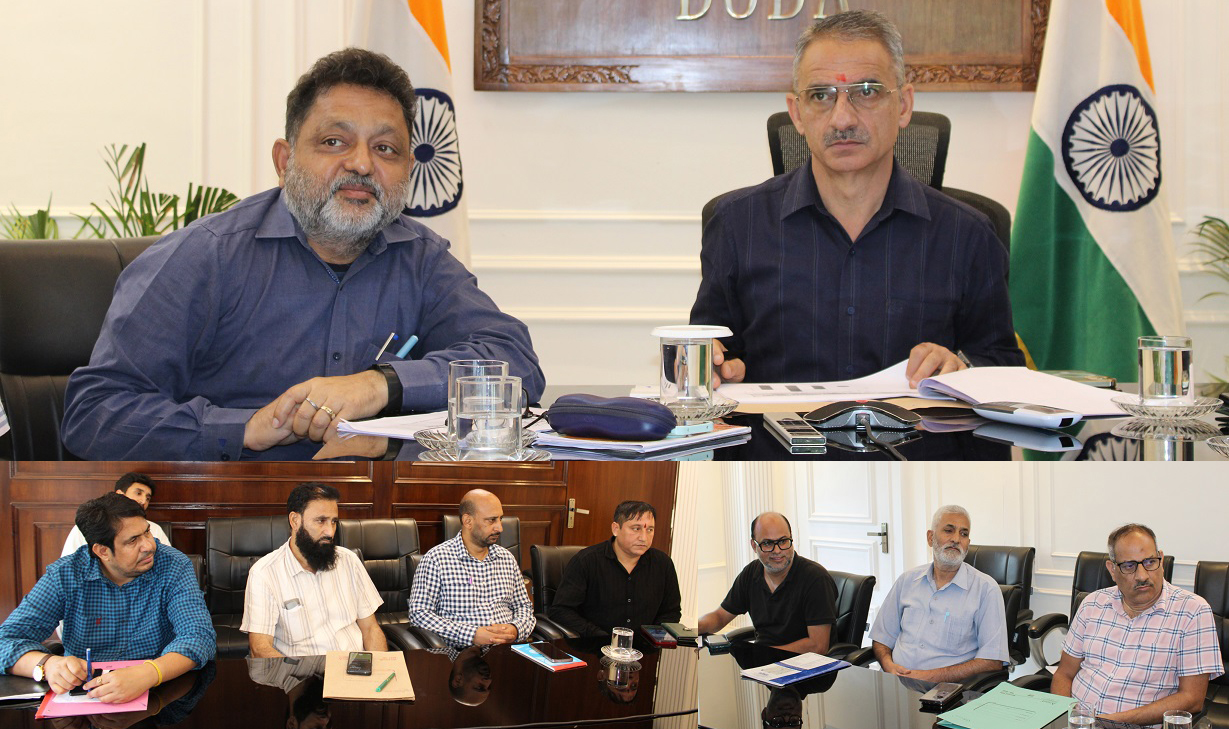 Early Times Report Early Times Report
DODA, Aug 25: A meeting of the District Zoonosis Committee (District Steering Committee) was held today at the DC Office Complex Doda to review the status of zoonotic diseases, particularly rabies and strengthen inter-sectoral coordination under the "One Health" approach. Deputy Commissioner Doda Krishan Lal (Chairperson) chaired the meeting.
The meeting discussed modalities for strengthening coordination among the Health, Animal Husbandry, Local Bodies, Forest and Wildlife, Education, Water and Sanitation, Police and other concerned departments for effective prevention and control of zoonotic diseases. The Committee stressed the need for strengthening preventive measures to minimize animal-bite incidents in the district. The concerned officers informed that the Health Department has adequate stocks of Anti-Rabies Vaccine (ARV) and Anti-Rabies Serum (ARS) for the management of animal-bite cases. The meeting stressed that rabies prevention should focus not only on post-exposure treatment but also on comprehensive preventive measures, including animal surveillance, mass dog vaccination, Animal Birth Control (ABC), timely observation and testing of suspected animals and community awareness.
The committee also emphasized regular information sharing among departments regarding animal deaths, dog and other animal-bite cases, suspected rabies cases and other zoonotic diseases, including scrub typhus, snakebite, brucellosis, leptospirosis, anthrax, bovine tuberculosis, avian influenza, glanders and other emerging zoonotic threats. The objectives of the National Rabies Control Programme (NRCP), aimed at achieving zero rabies deaths by 2030, were also discussed. The meeting further reviewed the objectives of the Snakebite Envenoming Prevention and Control Programme, which focuses on reducing deaths and disabilities caused by snakebites.
The Deputy Commissioner stressed the need for intensifying awareness, particularly in rural and vulnerable areas. He emphasized timely treatment of persons affected by animal bites and directed the concerned departments to work in close coordination and ensure timely sharing of information and prompt action on suspected cases.
The meeting also discussed bottlenecks affecting implementation of preventive measures in rural areas, particularly delays in animal management and the absence of a standardized referral mechanism for the observation, capture and testing of suspected rabid animals.
The meeting was attended by the Chief Medical Officer; Chief Animal Husbandry Officer; Assistant Commissioner Panchayat; officers from the Wildlife Department; EO Municipality; District Epidemiologist (IDSP); representatives of NGOs/Animal Welfare Organisations and concerned officers and officials. |
|
|
|
|
|
|
|
|
|
|
|
|
| |
| |
|
|
|
|
 |
|
|
