 Atul Sharma Atul Sharma
Early Times Report
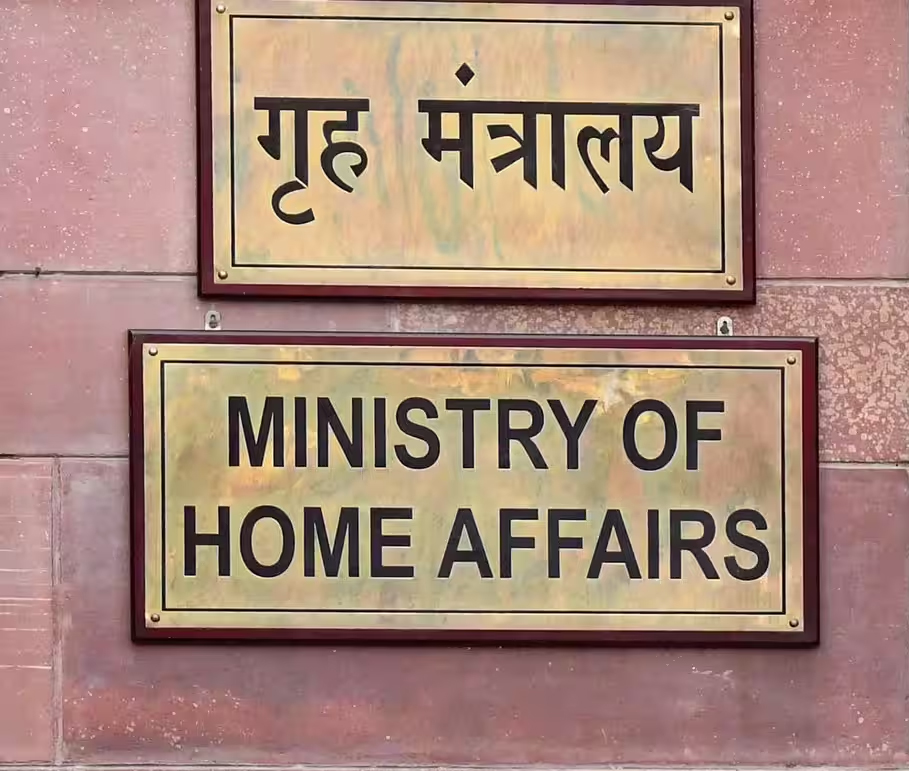
Jammu, Aug 10: The Department-Related Parliamentary Standing Committee on Home Affairs has raised a red flag over the spiralling drug abuse crisis gripping Jammu and Kashmir, warning that the menace is no longer just a public health concern — it has morphed into a full-blown social, economic and security threat, hitting the Union Territory’s youth hardest.
In its 260th report, tabled before both the Rajya Sabha and the Lok Sabha, the Committee acknowledged the administration’s aggressive crackdown on the trade — intensified enforcement under the NDPS and PIT-NDPS Acts, seizure of drug money and property, dismantled trafficking networks, action against illicit poppy and cannabis cultivation, cancelled licences of offenders, and the rollout of the ‘Nasha Mukt Jammu Kashmir Abhiyaan’. Notably, J&K now tops the country in arrests under the PIT-NDPS Act and ranks third nationally in property seizures linked to narcotics — hard numbers the administration points to as proof that the enforcement machinery is working.
But the panel isn’t convinced that arrests and seizures alone can win this war. Its message was blunt: enforcement without healing is a losing strategy. The Committee has pushed for a parallel focus on prevention, early intervention, de-addiction, rehabilitation and the social reintegration of those already trapped in addiction.
Among its key recommendations, the panel called for sharper, intelligence-led operations to choke cross-border narcotics trafficking, tighter coordination between police, schools, hospitals and community groups, more de-addiction and counselling centres at the district level, and aggressive awareness drives aimed squarely at students, parents and communities most at risk. It also wants the anti-drug campaign’s progress reviewed periodically to ensure the gains actually stick.
Briefing the Committee, the Union Territory administration laid bare just how deep the rot runs. Drug abuse, officials admitted, has become a serious social, public health and law-and-order problem across both urban and rural J&K — fuelling crime, tearing families apart, and draining the region economically.
To hit the trade where it hurts, authorities have rolled out Standard Operating Procedures to cancel or suspend key documents — passports, driving licences, Aadhaar cards, arms licences, contractor licences, government housing allotments and security cover — belonging to those accused under the NDPS Act or detained under PIT-NDPS. The strategy is designed to clip the wings of the accused, choke identity-document misuse, and dismantle trafficking networks from within.
Nodal Officers have been appointed and clear timelines set to ensure the crackdown doesn’t lose steam, backed by a monthly monitoring and accountability system to track progress on the ground.
With arrests piling up and seizures mounting, the administration insists the fight is far from over — but as the Parliamentary panel made clear, winning it will take more than handcuffs and headlines. |
